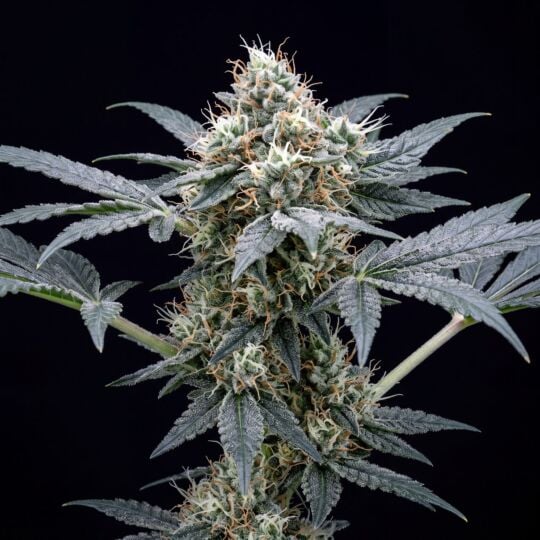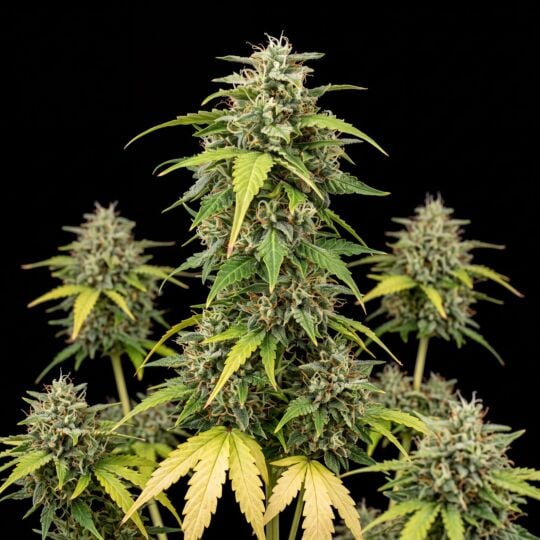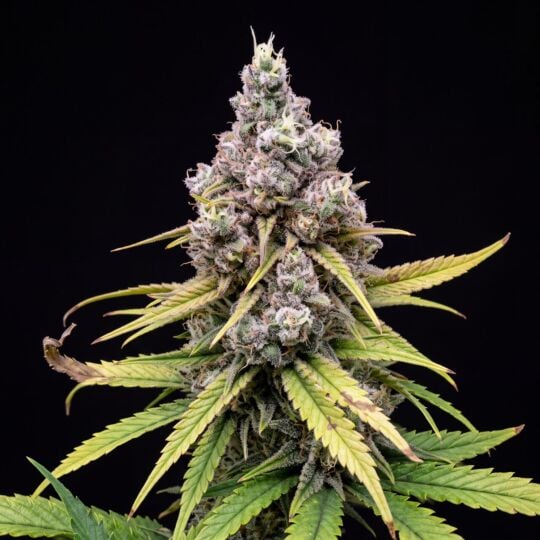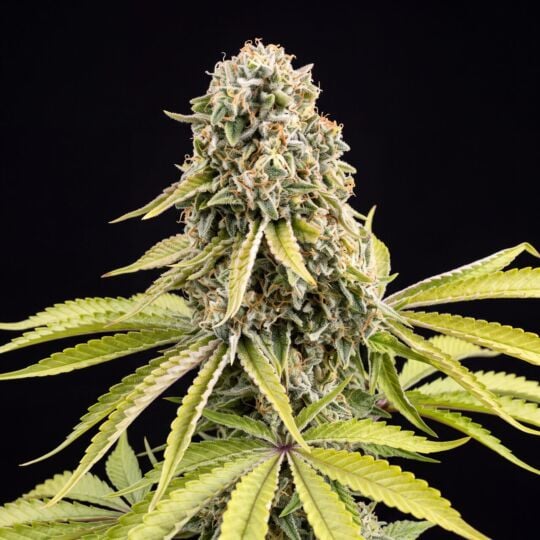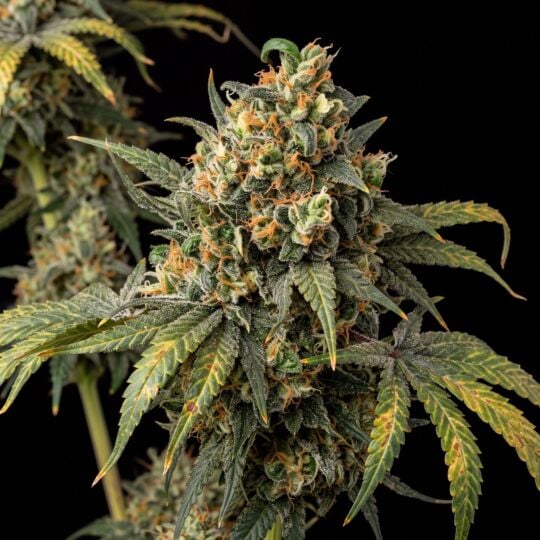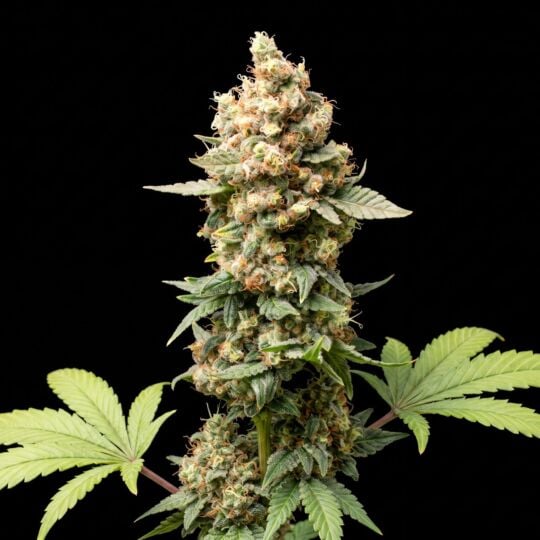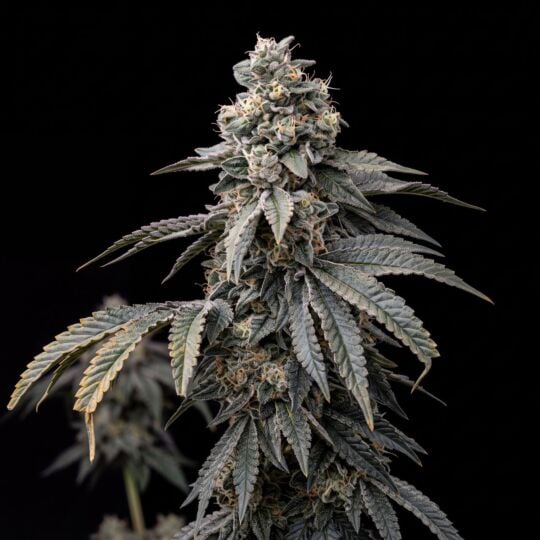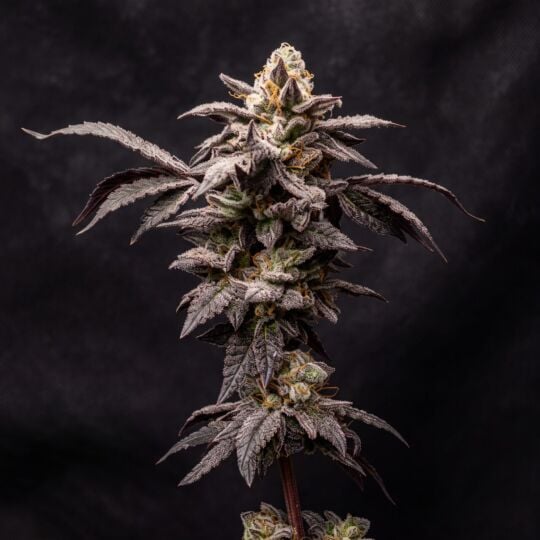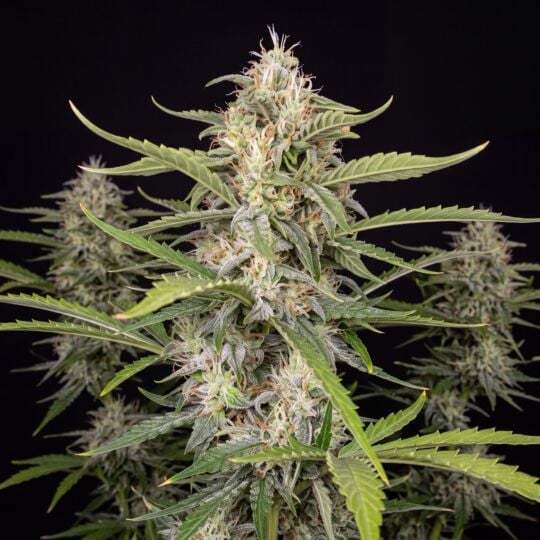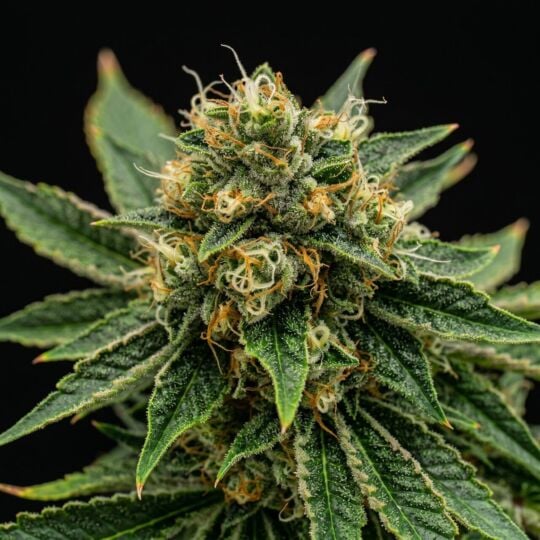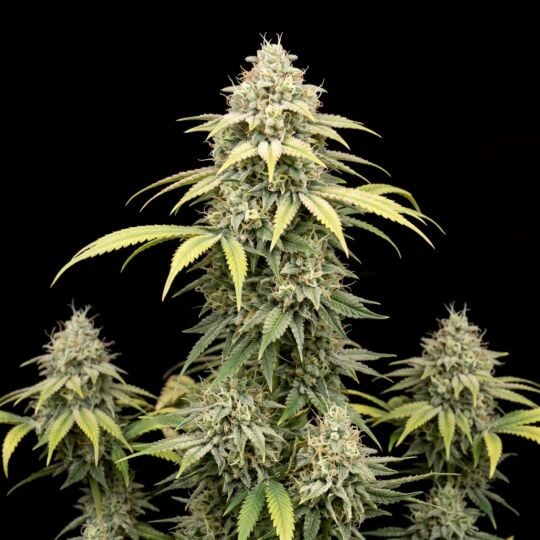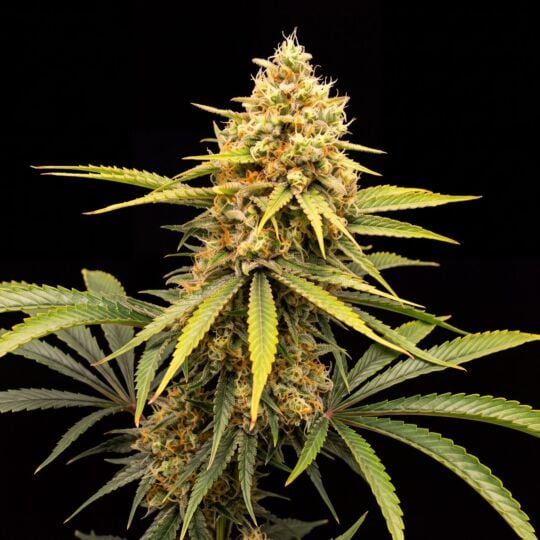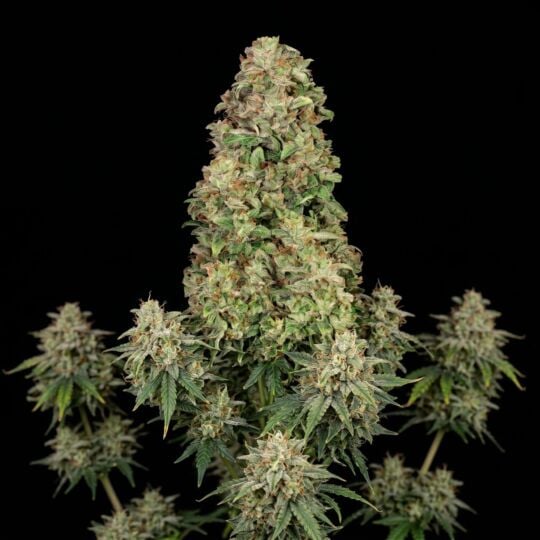
High-CBD Seeds For Sale in the USA
CBD seeds are high-CBD cannabis seeds bred to express elevated cannabidiol levels and low THC. Browse our range of feminized and autoflowering CBD weed seeds and order yours online today, shipped fast across the USA with our standard germination guarantee.
What Are CBD Seeds?
CBD seeds are cannabis seeds bred to produce plants that express high cannabidiol (CBD) levels and low THC. Breeders select parent genetics specifically for high-CBD expression, stabilizing that trait across generations to create consistent CBD strain seeds. The result is a seed category that sits apart from both high-THC cannabis seeds and standard hemp seed varieties.
In this section, you’ll learn about:
- The CBD-to-THC ratio in CBD cannabis seeds
- How CBD seeds differ from High-THC cannabis seeds
What is the CBD-to-THC Ratio in CBD Cannabis Seeds?
The CBD-to-THC ratio in CBD cannabis seeds determines how much CBD vs THC the resulting plant can express. Breeders engineer this ratio by selecting and crossing high-CBD parent plants over multiple generations. The table below shows common ratio types found across CBD weed seeds on the market:
| Ratio Type | CBD Expression (Breeder-Reported) | THC Expression (Breeder-Reported) |
| Balanced (1:1) | Moderate CBD | Moderate THC |
| CBD-dominant (10:1) | High CBD | Low THC |
| High-CBD (20:1+) | Very high CBD | Trace THC |
| CBD-only | Maximum CBD focus | Near-zero THC |
All figures are breeder-reported estimates. Individual plant expression varies by genetics, environment and growing conditions.
The ratio determines buyer fit.
- A 1:1 ratio suits buyers who want balanced cannabinoid expression.
- A 20:1 or higher ratio suits buyers prioritizing CBD with minimal THC.
Buyers comparing CBD hemp seeds to standard cannabis seeds should start with the ratio column first.
How Do CBD Seeds Differ from High-THC Cannabis Seeds?
CBD seeds and high-THC cannabis seeds both belong to the same plant species but target opposite ends of the cannabinoid spectrum. CBD cannabis seeds are selected to push CBD levels up and THC content down. High-THC seeds do the reverse: breeders maximize THC potential and treat CBD as secondary.
The buyer outcome differs by intent. CBD marijuana seeds suit buyers who want low-intoxicant plant genetics, balanced profiles or hemp-adjacent expression. Buyers focused on maximum cannabinoid potency in the other direction can compare options in the high-THC seeds category.
How to Choose High-CBD Seeds
Choosing high-CBD seeds depends on three core attributes:
- CBD-to-THC ratio — Decide whether you’re after the non-intoxicating, wellness-focused properties of cannabidiol or more balanced THC:CBD ratios with mild psychoactive effects.
- Seed type — feminized CBD seeds produce larger plants with heavier yields per plant. Autoflowering CBD seeds stay compact, finish faster and support multiple harvests per year.
- Growing environment — indoor, outdoor and skill level all affect which genetics perform best in your setup.
Each attribute narrows the field for a specific buyer profile.
What CBD-to-THC Ratio Should You Look for in High-CBD Seeds?
High-CBD seeds are typically bred to express CBD levels above 10% in the resulting plant. Some CBD strain seeds carry breeder-reported CBD ranges of 15–20%, with THC levels below 1%. Others in the "CBD-only" range aim for maximum cannabidiol expression with trace or near-zero THC. These are the closest cannabis seed options to industrial hemp genetics.
Actual CBD expression depends on genetics, grow environment, lighting and nutrient management. Buyers evaluating high-CBD hemp seeds should compare breeder specifications across multiple varieties before selecting.
The 10% threshold is a useful starting filter. Below it, the seed is more of a balanced or moderate-CBD variety. Above it, the seed qualifies as high-CBD cannabis by most industry definitions.
Which CBD Seed Type is Right for You: Feminized or Autoflowering?
Feminized CBD seeds produce female-only plants, removing the male-plant variable from the grow. They tend to grow larger, yield more per plant and suit growers with dedicated space and a full season. Understanding the male vs female weed plant dynamic explains why feminized formats are the most popular choice for CBD cannabis plants.
Feminized weed seeds are the go-to for buyers running photoperiod grows indoors or outdoors where maximizing yield per plant is the priority.
Autoflowering CBD seeds stay compact and flower based on plant age rather than light schedule. They finish faster, support multiple harvests per year and are more forgiving for newer growers. This format suits buyers with smaller setups, shorter growing windows or less experience managing light cycles.
Compare autoflower vs feminized seeds in detail if you still need help deciding which seed type is best for you.
What Growing Environment Suits CBD Cannabis Plants?
CBD cannabis plants perform across indoor, outdoor and greenhouse setups, but environment affects which genetics deliver the best results. Indoor growers do best with compact feminized CBD varieties that respond well to controlled light and space.
Outdoor growers can run photoperiod CBD strains across a full season, where longer cycles build cannabinoid density over time. Greenhouse and mixed-light setups favor autoflowering CBD seeds, since they flower on their own schedule regardless of light consistency.
How CBD Seeds Connect to Hemp Seeds and Hemp Plants
CBD cannabis seeds and hemp seeds share a common plant origin. Both come from Cannabis sativa L. genetics, and hemp's lineage traces back to cannabis landrace genetics originating in Central Asia. The difference between them is legal classification, not biology.
Under U.S. federal law, hemp is defined as Cannabis sativa L. with a Total THC concentration of not more than 0.3% on a dry-weight basis. Total THC includes Delta-9 THC, its acidic precursor THCA and other designated intoxicating cannabinoids.
Seeds bred for a 20:1 CBD-to-THC ratio or higher tend to produce plants that test within that limit, but classification is not automatic. Whether a specific variety qualifies depends on its genetics, growing conditions, and how total THC expresses at harvest.
Are CBD Seeds Legal to Buy in the USA?
Cannabis seeds contain less than 0.3% Delta-9 THC by nature, which means ungerminated seeds qualify as hemp under federal law and can be legally sold and shipped nationwide. The legal question shifts at the next stage: germination and cultivation.
Germinating CBD seeds is lawful only where permitted by federal, state and local rules. Cultivation rules vary significantly by state. Some states allow personal cultivation; others restrict or prohibit it entirely regardless of THC content or CBD classification.
The 0.3% threshold matters beyond the seed itself. Classification depends on how total THC expresses in the mature plant under specific genetics and growing conditions.
Seeds sourced from a plant that exceeds the total THC limit are excluded from the federal definition of hemp regardless of the intended CBD profile.
All cannabis seeds, whether CBD-dominant or THC-dominant, carry the same purchasing rules. Eligible adult buyers should check federal, state and local rules before germinating or growing any hemp or CBD cannabis seeds in their location.
Feminized CBD Seeds and Other Seed Types at Seed Supreme
Seed Supreme carries feminized and autoflowering cannabis seeds in the CBD range. The catalog covers options across reported CBD levels, seed formats and genetic backgrounds.
Feminized seeds make up the majority of CBD seed purchases because they remove sex-expression uncertainty from the grow. Buyers who want a shorter cycle can explore autoflowering CBD varieties, where light-schedule independence simplifies the growing process.
Many CBD-rich genetics carry sativa-dominant heritage, and buyers exploring that lineage can browse sativa seeds. CBD genetics also appear in indica-dominant varieties. Buyers interested in that profile can explore indica seeds.
Buyers focused on output can cross-reference the highest yielding cannabis seeds to find CBD varieties with strong biomass potential. New growers can explore cannabis seeds for beginners to find CBD varieties matched to simpler growing requirements.
- 20 % OFFAuto
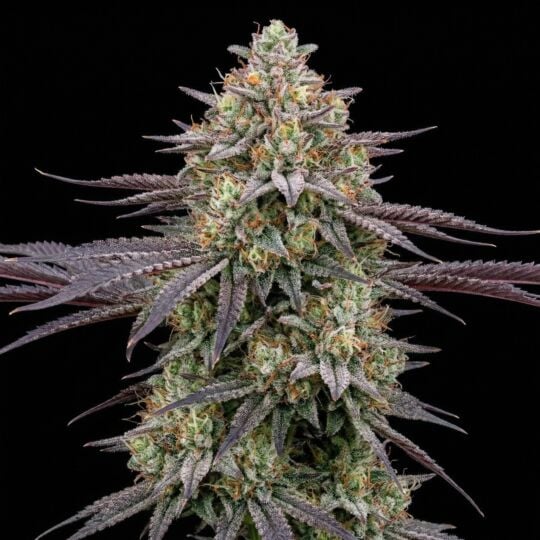 CBD Blue Shark AutoflowerBuy one get one freeSpecial Price $47.20 was $59.00Variety: Mostly IndicaTHC Content: Low (5-10%)In stock
 - 20 % OFFFem
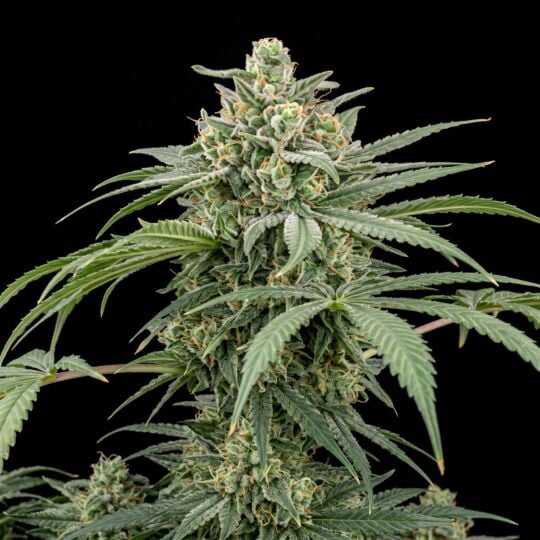 Harlequin Feminized SeedsBuy one get one freeSpecial Price $47.20 was $59.00Variety: HybridTHC Content: Low (5-10%)In stock
 - 20 % OFFFem
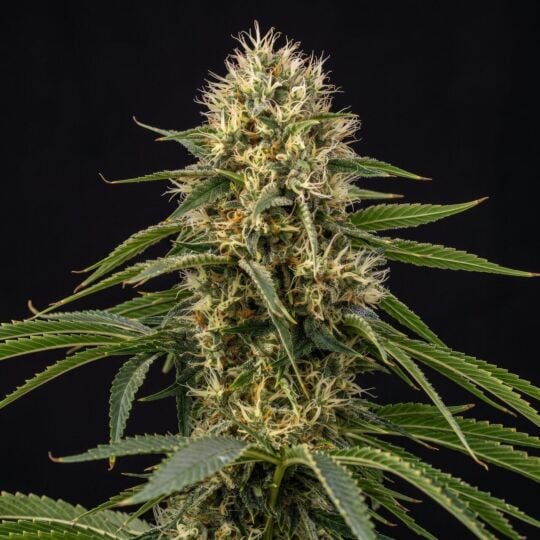 CBD ACDC Feminized SeedsSpecial Price $47.20 was $59.00Variety: HybridTHC Content: Minimum (0-5%)In stock
 - 20 % OFFAuto
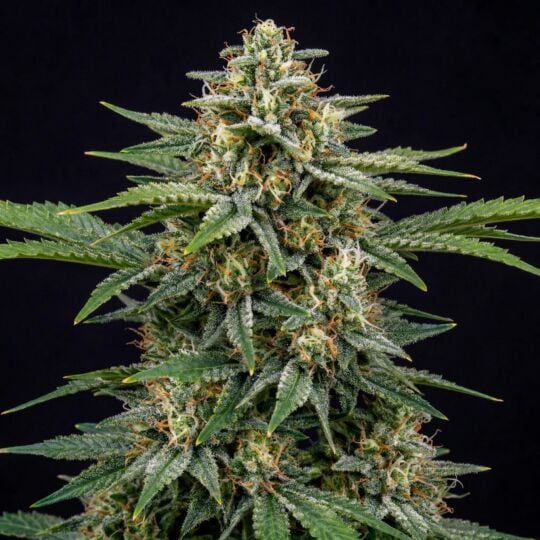 Swiss Dream AutoflowerBuy one get one freeSpecial Price $47.20 was $59.00Variety: HybridTHC Content: Low (5-10%)In stock
 - 20 % OFFFem
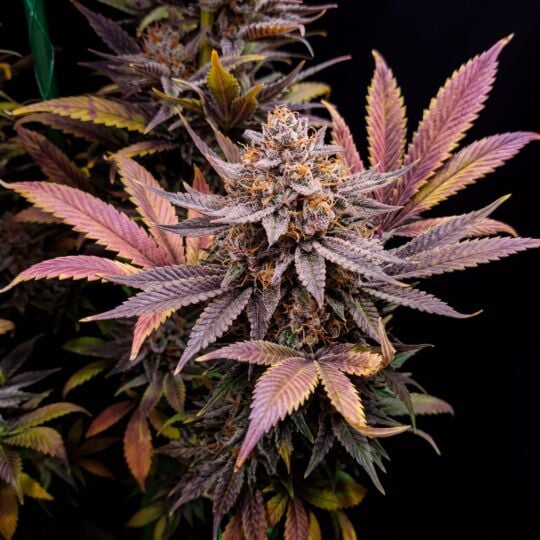 CBD Blueberry Feminized SeedsSpecial Price $47.20 was $59.00Variety: HybridTHC Content: Minimum (0-5%)In stock
 - 20 % OFFFem
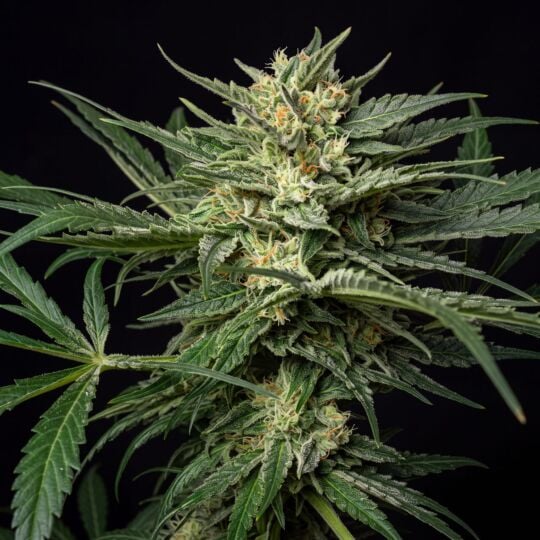 Humboldt Feminized SeedsSpecial Price $47.20 was $59.00Variety: HybridTHC Content: Very High (20-30%)In stock
 - 20 % OFFAuto
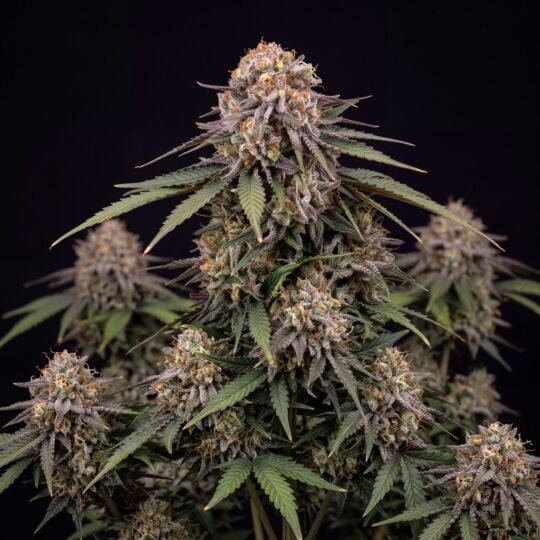 Fruit AutoflowerBuy one get one freeSpecial Price $47.20 was $59.00Variety: HybridTHC Content: Low (5-10%)In stock
 - 20 % OFFFem
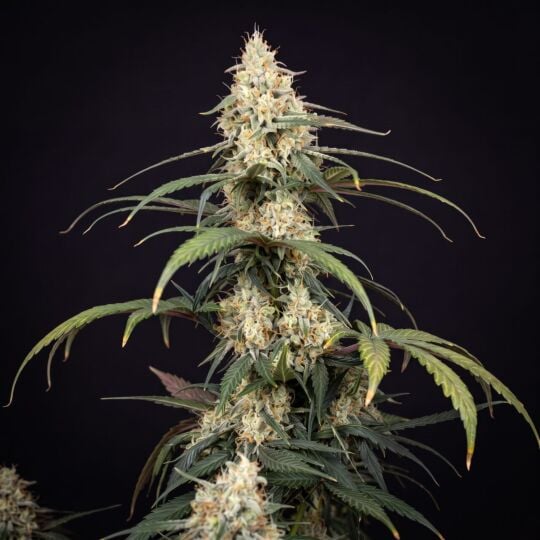 CBD Cream & Cheese FeminizedSpecial Price $47.20 was $59.00Variety: HybridTHC Content: Very High (20-30%)In stock
 - 20 % OFFFem
 CBD Girl Scout Cookies Feminized SeedsSpecial Price $47.20 was $59.00Variety: HybridTHC Content: Low (5-10%)In stock
 - 20 % OFFAuto CBD Kush Autoflower SeedsBuy one get one freeSpecial Price $47.20 was $59.00Variety: HybridTHC Content: Low (5-10%)In stock
- 20 % OFFFem Cannatonic Feminized SeedsSpecial Price $47.20 was $59.00Variety: HybridTHC Content: Low (5-10%)In stock
- 20 % OFFFem CBD White Widow Feminized SeedsSpecial Price $47.20 was $59.00Variety: HybridTHC Content: Minimum (0-5%)In stock
- 20 % OFFFem CBD Jack Herer Feminized SeedsSpecial Price $47.20 was $59.00Variety: HybridTHC Content: Low (5-10%)In stock
- 20 % OFFFem CBD Kush Feminized SeedsSpecial Price $47.20 was $59.00Variety: HybridTHC Content: Low (5-10%)In stock
- 20 % OFF CBD Harlequin Kimbo Kush (1:2) SeedsSpecial Price $47.20 was $59.00Variety: HybridTHC Content: Low (5-10%)In stock
- 20 % OFF CBD Zkittlez (1:1) SeedsSpecial Price $47.20 was $59.00Variety: HybridTHC Content: Low (5-10%)In stock
- 20 % OFFFem CBD Strawberry Kush FeminizedSpecial Price $47.20 was $59.00Variety: HybridTHC Content: Minimum (0-5%)In stock
- 20 % OFFFem CBD OG Kush Feminized SeedsSpecial Price $47.20 was $59.00Variety: HybridTHC Content: Minimum (0-5%)In stock
- 20 % OFFFem CBD Chemdog #4 (1:1) Feminized SeedsSpecial Price $47.20 was $59.00Variety: HybridTHC Content: Low (5-10%)In stock
- 20 % OFFFem CBD Sour Tangie (1:25) FeminizedSpecial Price $47.20 was $59.00Variety: HybridTHC Content: Minimum (0-5%)In stock
- 20 % OFFAuto CBD Critical Mass AutoflowerSpecial Price $47.20 was $59.00Variety: HybridTHC Content: Minimum (0-5%)In stock
- 20 % OFFFem CBD Critical Mass FeminizedSpecial Price $47.20 was $59.00Variety: HybridTHC Content: Minimum (0-5%)In stock
- 20 % OFF CBD White Widow (CBD:10% THC: <1%)Special Price $47.20 was $59.00Variety: HybridTHC Content: Minimum (0-5%)In stock
- 20 % OFFAuto CBD White Widow Autoflower SeedsSpecial Price $47.20 was $59.00Variety: HybridTHC Content: Minimum (0-5%)In stock
- 20 % OFFFem CBD Ratio (1:30) Feminized SeedsSpecial Price $47.20 was $59.00Variety: HybridTHC Content: Minimum (0-5%)In stock